
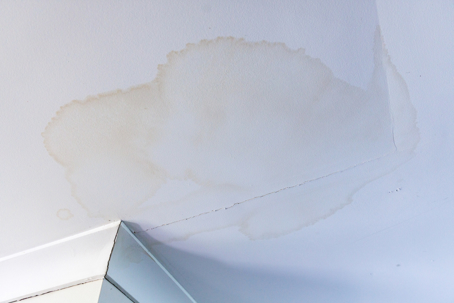
Most roof leaks don't begin with water dripping into a bucket. More often, they start with subtle clues that are easy to overlook while moisture quietly spreads through your attic, insulation, or walls.
In the Charleston area, hidden roof leaks can become a bigger issue than many homeowners expect. High humidity, frequent summer thunderstorms, and hurricane season all make it harder for damp building materials to dry out. A small leak that might stay manageable elsewhere can quickly lead to mold, wood rot, or damaged drywall in the Lowcountry.
Knowing what to watch for can help you catch a problem before it turns into a much larger repair. Below are some of the most common warning signs of hidden roof leaks, why they happen, and when it's time to schedule a professional roof inspection.
Why Hidden Roof Leaks Are Easy to Miss
Water rarely travels straight down after it enters a roof. Instead, it follows framing, rafters, and roof decking until it finds the easiest path into your home.
That's why the stain on your ceiling isn't always directly below the leak. The actual entry point could be several feet away, making DIY patch jobs frustrating and often ineffective.
Charleston's humid climate adds another challenge. When moisture gets trapped inside a roof system, it lingers. Wet insulation, wood framing, and drywall may stay damp for days, creating ideal conditions for mold growth and wood deterioration.
It's also worth noting that not every moisture stain comes from a roof leak. Poor attic ventilation can create condensation that looks remarkably similar to a leak. A thorough inspection helps determine whether water is entering from outside or forming inside the attic.
Interior Signs You Shouldn't Ignore
Many hidden leaks first show up inside the home. Even if these signs seem minor, they're worth investigating.
Ceiling or Wall Stains
Brown, yellow, or rust-colored spots are often one of the earliest indicators of water intrusion.
Pay attention if you notice:
- Water rings that gradually expand
- Stains that darken after rainfall
- Marks appearing near chimneys, skylights, or exterior walls
If the stain changes over time, the leak is likely still active.
Bubbling Paint or Sagging Drywall
Moisture trapped behind painted surfaces causes paint to blister, peel, or crack.
As water continues soaking the drywall, you may notice:
- Soft areas
- Warped ceilings
- Sagging drywall
- Cracks forming where there weren't any before
By this point, moisture has usually been present for quite some time.
Musty Odors Upstairs
Sometimes your nose notices a leak before your eyes do.
A persistent musty smell near the attic, upstairs bedrooms, or bonus rooms often signals damp insulation or wood. Since mold can begin developing within 24 to 48 hours under the right conditions, unusual odors deserve attention before visible damage appears. According to the U.S. Environmental Protection Agency, mold can begin growing on damp materials within 24–48 hours if moisture remains.
What to Look for in Your Attic
If it's safe to enter your attic, it can provide valuable clues about hidden roof leaks.
Using a flashlight, inspect the underside of the roof for:
- Dark water stains on the roof decking
- Damp or compressed insulation
- Rust on exposed nail tips
- Mold or mildew growth
- Small beams of daylight shining through the roof
Roof penetrations such as plumbing vents, exhaust vents, skylights, and chimneys deserve extra attention since they're common locations for leaks.
If everything appears damp across large sections of the attic instead of one isolated area, condensation caused by poor ventilation may be the culprit instead of a roof leak.
Exterior Clues That Suggest Water Is Getting In
Not every warning sign is inside your home. Many roofing issues can be spotted safely from the ground.
Damaged Flashing
Flashing seals vulnerable areas around chimneys, skylights, roof valleys, and vent pipes.
Watch for:
- Lifted edges
- Rust
- Bent metal
- Missing sections
Along the South Carolina coast, salt air can speed up corrosion, making flashing one of the most common sources of hidden leaks.
Granules Collecting in Gutters
As asphalt shingles age, they gradually lose their protective granules.
Finding a few granules after a storm is normal. However, heavy accumulations that resemble coarse sand may indicate accelerated shingle wear.
Without those protective granules, shingles become more vulnerable to cracking and water intrusion.
Moss, Algae, or Uneven Roof Areas
A roof that appears wavy or uneven may signal underlying deck damage.
Likewise, heavy moss growth often means moisture is lingering on the roof surface. Moss traps water against shingles, shortening their lifespan and increasing the likelihood of leaks.
Why Charleston Homes Face a Higher Risk
Roofing systems in the Lowcountry deal with conditions that many inland homes never experience.
Wind-Driven Rain
During hurricane season and summer thunderstorms, rain doesn't always fall straight down.
Strong winds can force water beneath shingles, flashing, and ridge caps—even if the roof appears intact from the street.
High Humidity
Charleston regularly experiences summer humidity above 80%, making it difficult for wet building materials to dry completely.
Instead of evaporating quickly, trapped moisture often lingers long enough to damage wood and encourage mold growth.
Aging Homes
Many Charleston neighborhoods include older homes with aging flashing, original roof components, or outdated underlayment.
Even tiny openings can allow water inside during repeated storms, creating slow leaks that remain unnoticed for months.
What to Do If You Notice a Possible Roof Leak
If you spot any of these warning signs, acting sooner usually limits the extent of the damage.
A few practical steps include:
- Take clear photos of stains or visible damage.
- Place a container under active drips to protect the flooring.
- Avoid painting over stains before identifying the source.
- Don't rely on interior caulk or ceiling patches as permanent fixes.
- Schedule a professional roof inspection to locate the actual entry point.
Early diagnosis often means a simpler repair instead of widespread structural damage.
Don't Let a Small Leak Become a Major Repair
Hidden roof leaks rarely improve on their own. What begins as a small amount of moisture can eventually affect insulation, framing, drywall, and even indoor air quality.
If you've noticed ceiling stains, musty odors, damaged flashing, or other warning signs, a professional inspection can determine whether you're dealing with an active roof leak or another moisture issue. Whether you need roof leak repair, a roof inspection, or storm damage assessment, Ashley River Roofing can help identify the source and recommend the right solution.
Think your roof might need a closer look?
Call (843) 825-1663 or schedule an inspection online.